
Tikal history in short
Tikal grew from an early settlement into one of the major cities of the Maya lowlands. The first settlers arrived between about 850 BC and the 6th century BC, and the exact start depends on how settlement is defined. The city was occupied until around the 10th century AD, with its decline around 900.
The story was not a straight climb. Tikal was weakened for a time after a defeat in 562 and later recovered under strong rulers. To walk through it, join one of the guided Tikal tours, where a guide links the buildings to the people behind them.
Key dates in Tikal history
Where dates are uncertain, a range is given.
| Date | What happened |
|---|---|
| About 850 BC to 6th century BC | First settlement, depending on the definition used |
| 411–456 | Reign of Siyaj Chan K’awiil II |
| Late 4th century | A painted altar is made, later linked to a strong Teotihuacan presence |
| 562 | A defeat leaves Tikal weakened for a time |
| 682–734 | Reign of Jasaw Chan K’awiil I |
| 695 | Victory over Calakmul |
| About 900 | Decline of the city |
| 1848 | The ruins become publicly known |
| 1955 | Tikal becomes a national park |
| 1956 | The Penn project begins and runs for 14 years |
| 1979 | UNESCO World Heritage listing |
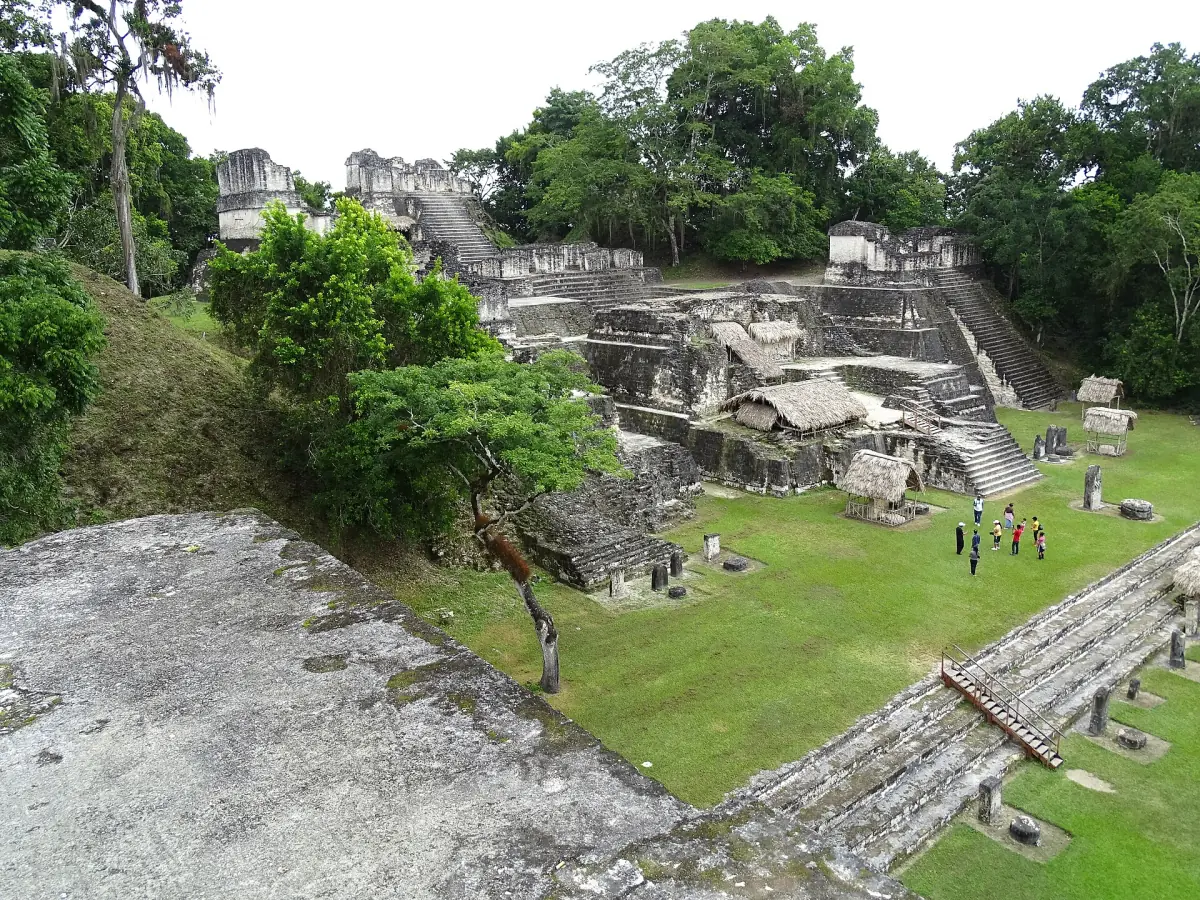
Use the table as a map, not a full chronology. For most visitors, a good way to connect the dates is to see the North Acropolis and Temple I together, because the buildings show the long span of the city.
Our pick: a private day with a guide
A private guide for your group, with time for the history of the site.
Hand-picked tours, booked through GetYourGuide. Prices are indicative starting prices in US dollars (as of October 2026). Tap a tour for live availability and the current price in your currency.
Guided Tikal tours with history
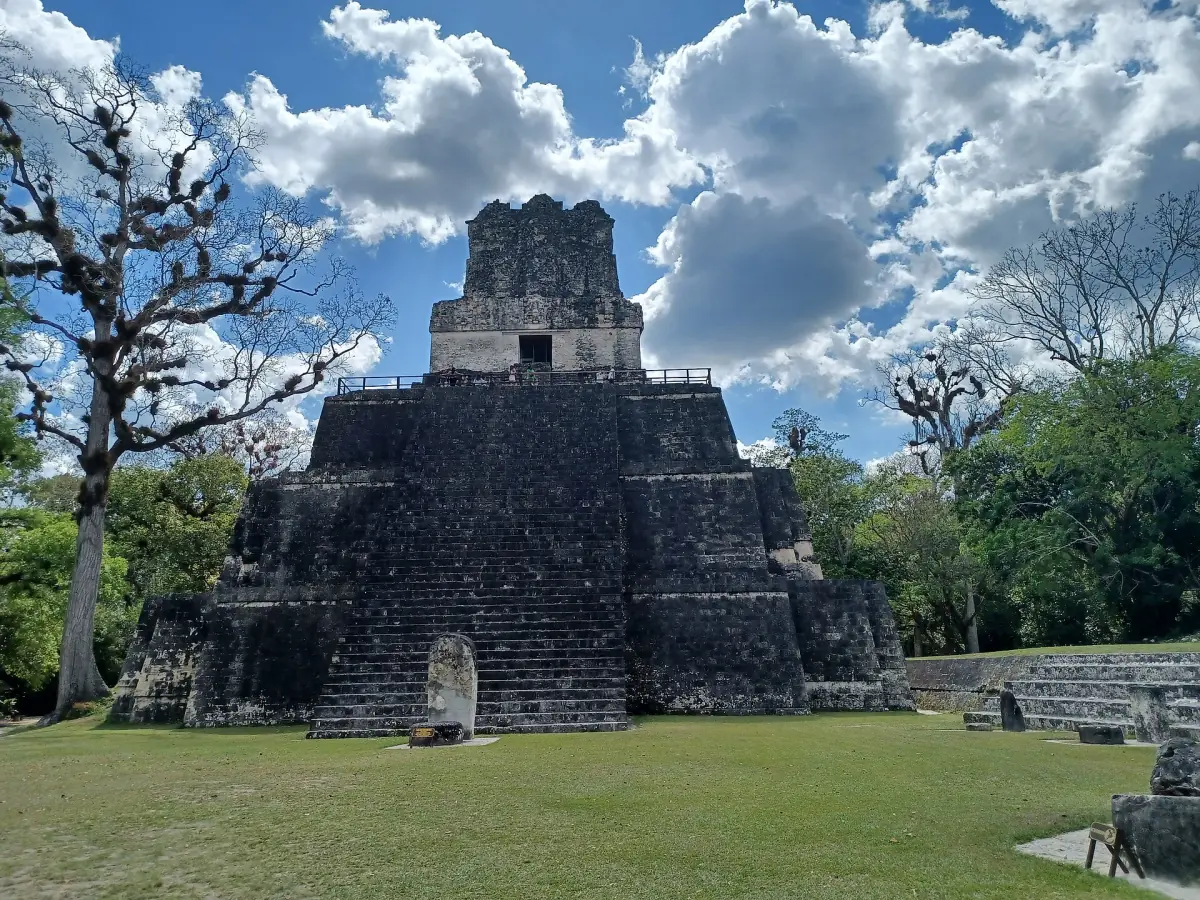
Day tours from Flores with a guide who can explain the rulers and buildings, with live prices and availability.
Rulers of Tikal
Names matter here, because several rulers carry similar names. Siyaj Chan K’awiil II reigned from 411 to 456. Do not mix him up with Jasaw Chan K’awiil I, who ruled from 682 to 734.
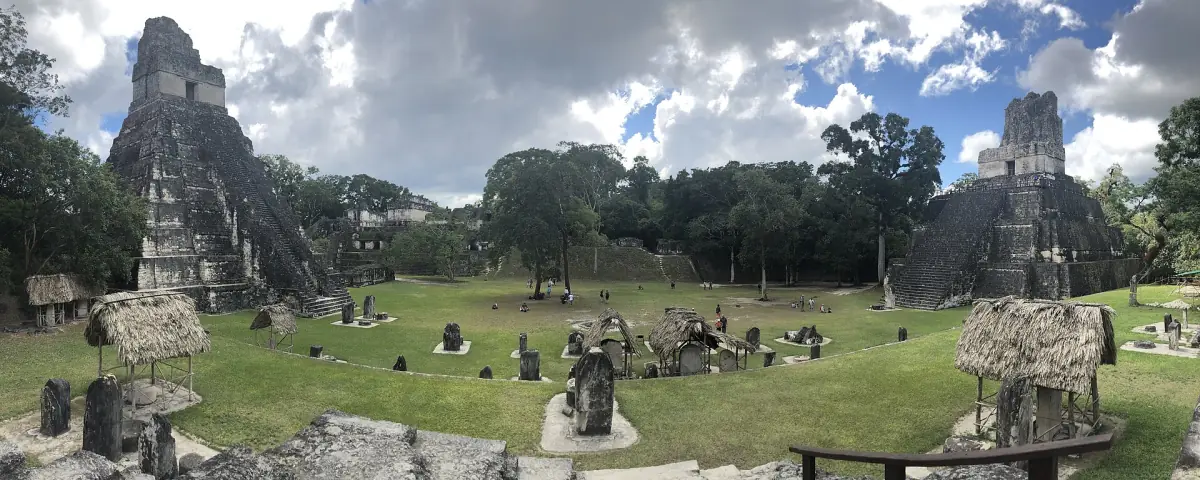
Jasaw Chan K’awiil I is remembered for the victory over Calakmul in 695. That win came after the defeat of 562, which had weakened Tikal for a time. It shows that the city had setbacks as well as high points. The temples that stand around the Gran Plaza today are described on the Tikal temples page.
Teotihuacan and the painted altar
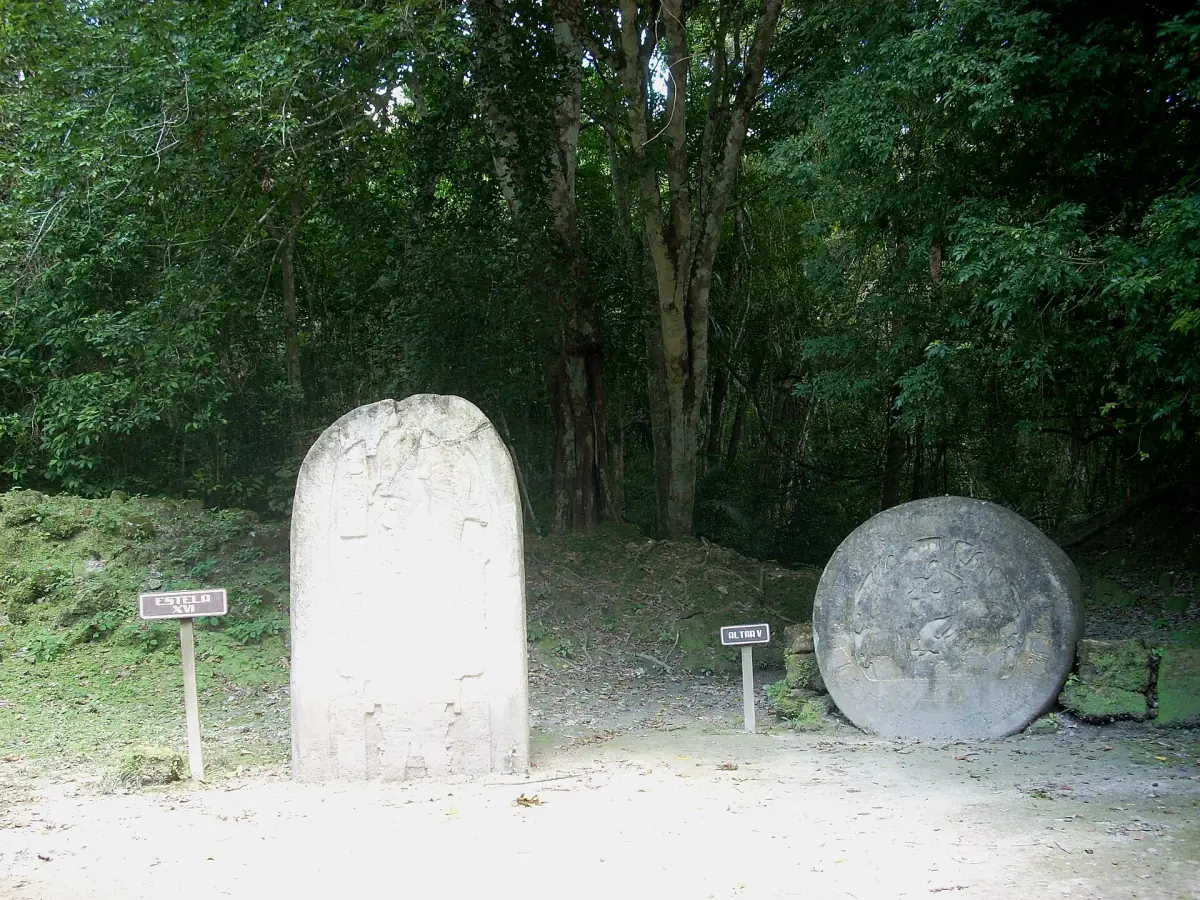
In 2025, a research team announced a painted altar from the late 4th century AD. They read its design and the burials around it as a sign of a strong Teotihuacan presence at Tikal. This is a researchers’ interpretation, and it adds to what is known about the city’s contacts.
The find spot is guarded and is not open to the public, so do not plan a visit to the altar.
Why the city declined
No single cause is proven.
Several factors together
Archaeologists point to conflict, periods of drought, food supply and pressure on the environment. These factors worked together, and no single one is shown to be the only reason.
The Maya did not vanish
The Maya are a living people. The cities of the lowlands were abandoned or shrank, but the Maya themselves did not disappear.
Documented in modern times
The ruins became publicly known in 1848, and the Penn project began in 1956 and ran for 14 years. That marks the start of the modern record, not the start of the city.
New research and LiDAR
A 2018 survey with LiDAR found 61,480 structures across more than 2,100 km² of the Maya lowlands. That figure covers a wide region, not Tikal alone. The same study estimated a regional population of 7 to 11 million, again for the wider lowlands.
For Tikal itself, population estimates differ because researchers use different areas and dates. See the Tikal facts page for the numbers side by side.
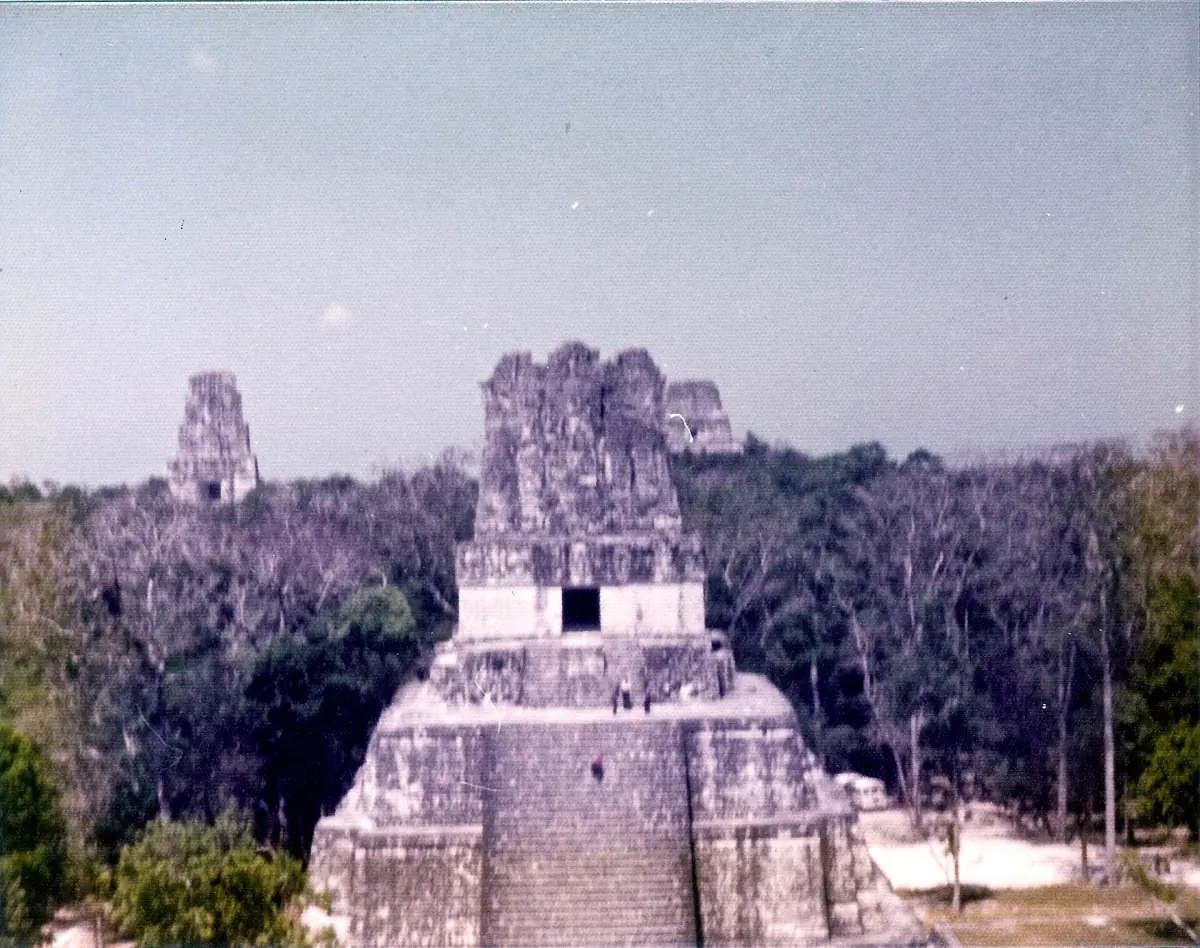
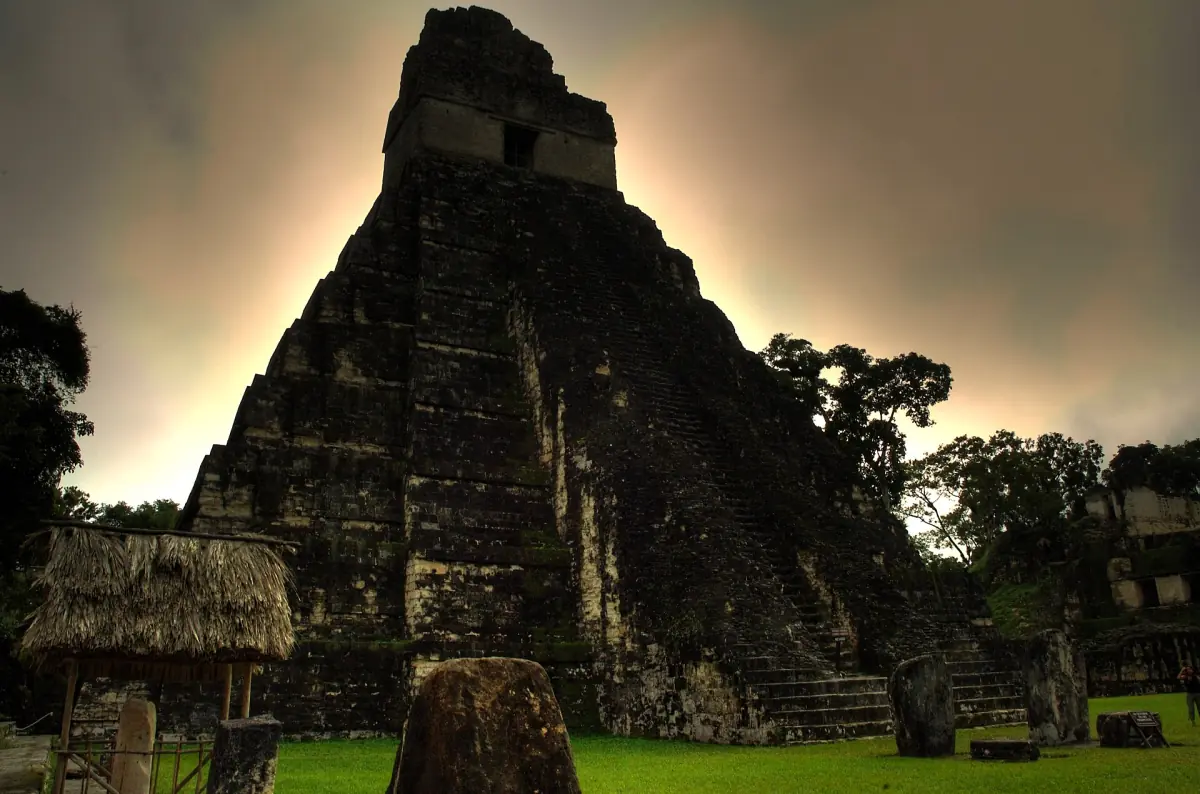
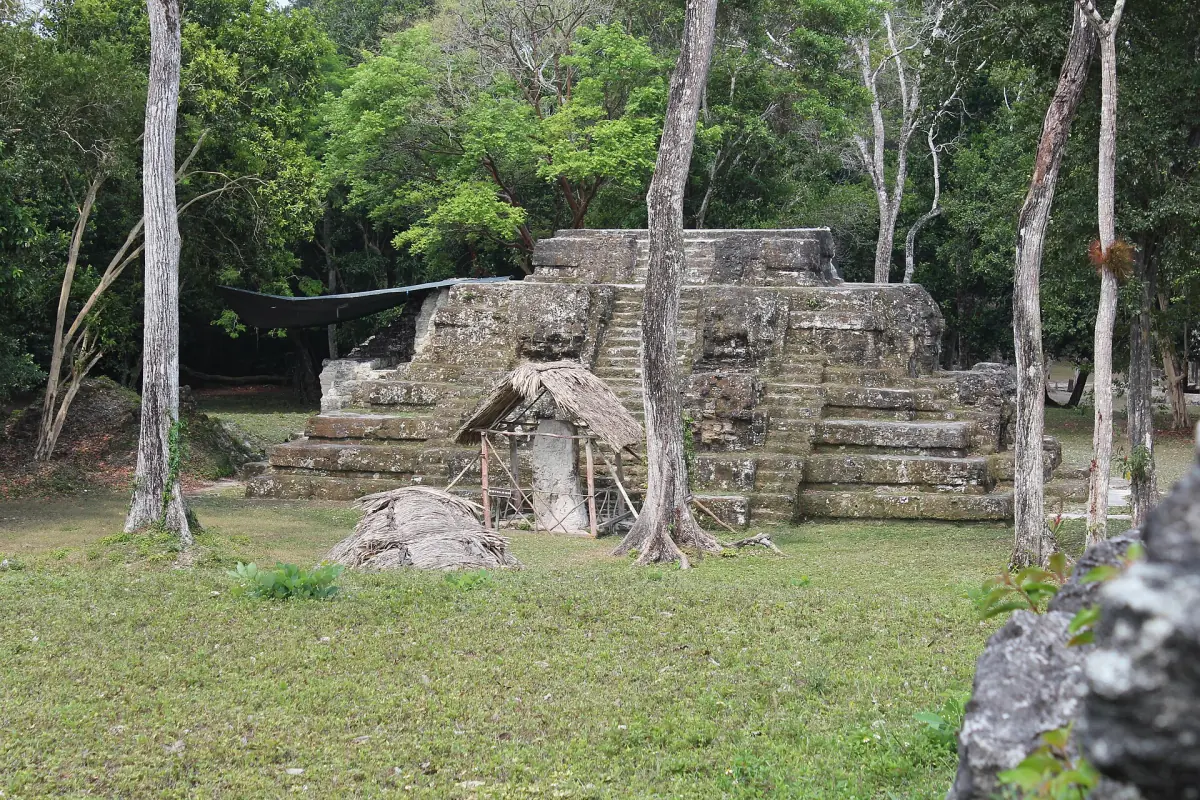
See the history on site
Where the story shows up.
Tikal history: frequently asked questions
How old is Tikal?
The first settlers are dated between about 850 BC and the 6th century BC, depending on the definition. The city was occupied until around the 10th century AD. A single birth date does not exist.
Who was the most famous ruler of Tikal?
Jasaw Chan K’awiil I, who ruled from 682 to 734, is among the best known. He is linked to the victory over Calakmul in 695.
Why did Tikal decline?
Researchers name conflict, drought, food supply and environmental pressure as factors that worked together. No single cause is proven.
When were the ruins discovered?
They became publicly known in 1848, and the Penn project started in 1956. Public record and discovery are not the same thing.
Is tikalruins.com an official Tikal website?
No. This is an independent travel guide, not run by the park or by any government body.